Everyday Perspectives on Body Weight and Lifestyle Balance
An educational resource exploring general concepts related to body weight in the context of daily life, social environments, and cultural perspectives. This site provides informational content only and does not offer medical advice, personal recommendations, or programmes of any kind.
Educational content only. No medical services. No promises of outcomes.

Lifestyle and Environment Factors
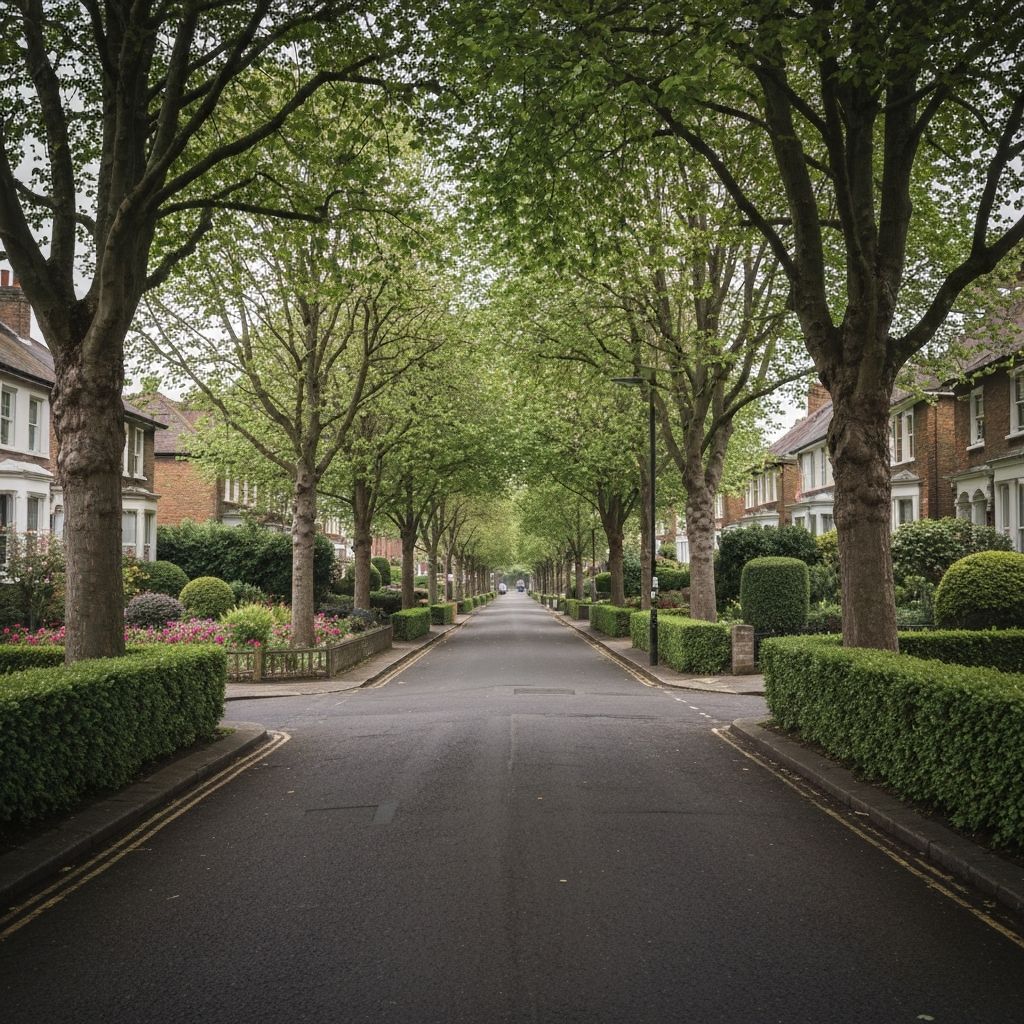
The environments in which people live, work, and spend their time can influence various aspects of daily routines. Urban and rural settings often present different conditions for movement, food access, and daily schedules. Workplace environments, whether sedentary or active, contribute to overall patterns of physical activity throughout the day.
Living arrangements, neighbourhood infrastructure, and access to green spaces are among the many environmental factors that researchers have observed in relation to lifestyle patterns. Transportation choices, local amenities, and community resources all form part of the broader context in which daily habits develop.
It is worth noting that individual circumstances vary considerably, and no single environmental factor determines lifestyle outcomes. The interplay between personal choices and external conditions remains a subject of ongoing observation and discussion in various fields of study.
Food Culture and Daily Routines
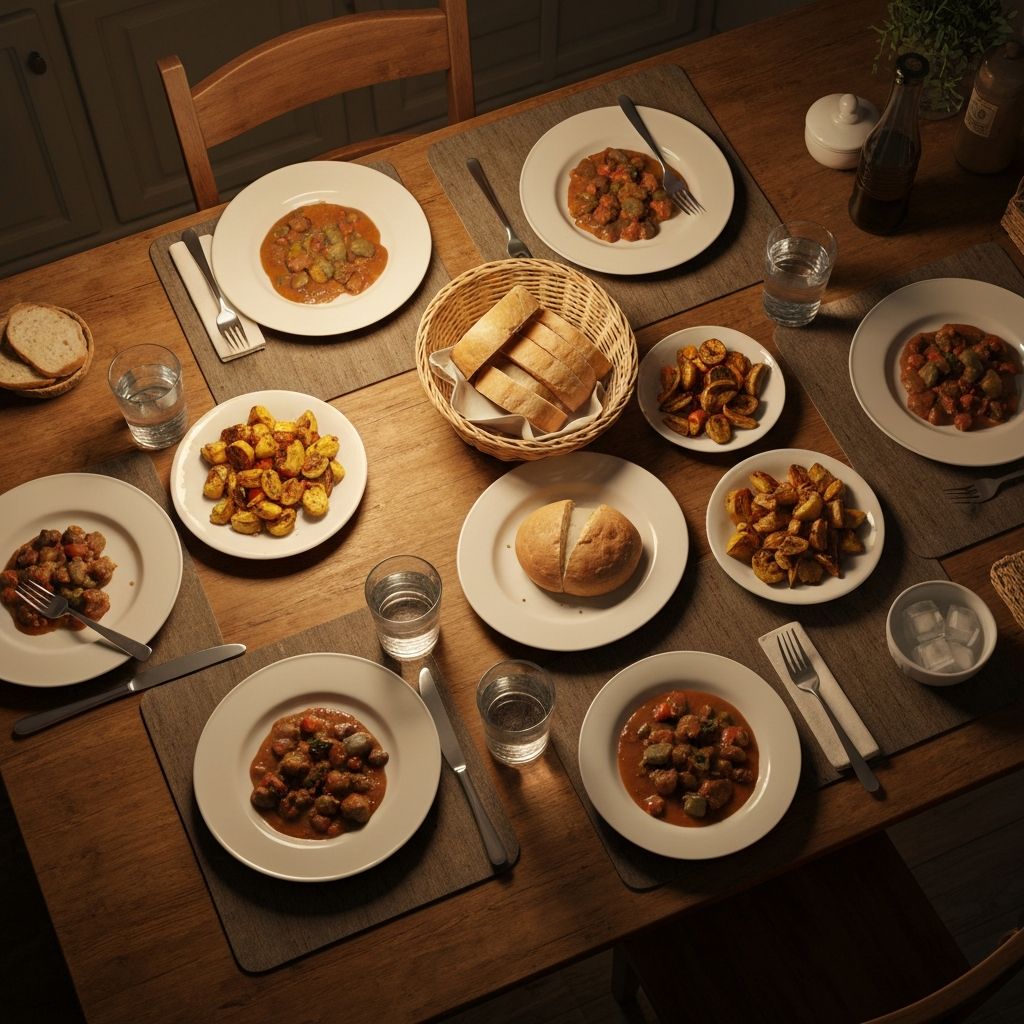
Food practices are deeply embedded in cultural traditions, family customs, and social interactions. The way meals are prepared, shared, and consumed varies across different communities and households. These patterns often reflect broader cultural values and historical influences.

Daily Eating Patterns
Meal timing, portion conventions, and snacking habits differ across cultures and individual households. Some traditions emphasise larger midday meals, whilst others centre the main meal in the evening. These patterns are influenced by work schedules, family structures, and regional customs.
Social Aspects of Food
Eating is often a social activity, whether through family dinners, workplace lunches, or community gatherings. The social context of food consumption can influence what and how much people eat, though individual responses to social eating situations vary widely.
Food Availability and Choice
Access to different types of food depends on geographical location, economic factors, and local food systems. Urban areas may offer diverse food options, whilst rural communities might rely more heavily on local production. These differences shape the food landscapes in which daily choices are made.
Movement in Daily Life
Physical activity occurs in many forms throughout daily life, from walking to work to household tasks and recreational pursuits. The amount and type of movement people engage in varies according to occupation, living situation, personal preferences, and physical ability.
Modern life has introduced various conveniences that have changed patterns of daily movement. At the same time, many people seek out opportunities for physical activity through walking, cycling, gardening, or other pursuits that fit their circumstances and interests.
It is important to recognise that physical activity looks different for different people. What constitutes meaningful movement depends on individual circumstances, abilities, and preferences. There is no single approach that applies to everyone.

Media and Information Influence
Media representations of bodies and lifestyles play a significant role in shaping public perceptions. Advertising, entertainment, social media, and news coverage all contribute to the information environment in which people form their understanding of these topics.
The proliferation of health and lifestyle information online has created both opportunities and challenges. Whilst more information is available than ever before, the quality and accuracy of that information varies considerably. Critical evaluation of sources remains important.
Different media platforms tend to emphasise particular perspectives or narratives. Being aware of these tendencies can help individuals contextualise the information they encounter and develop a more nuanced understanding of complex topics.

Personal Variability and Perspectives
Human bodies and life circumstances vary enormously. Genetics, life history, economic situation, health conditions, and countless other factors contribute to individual differences. This variability means that experiences with body weight and lifestyle are highly personal.
Diverse Life Circumstances
People navigate different life stages, responsibilities, and challenges. What works for one person may not be suitable for another. Age, family situation, work demands, and health status all influence how individuals approach daily life choices.
Changing Perspectives
Views on body weight and lifestyle often evolve over time, both at the individual and societal level. Personal experiences, new information, and changing circumstances can all contribute to shifts in perspective. This ongoing evolution is a normal part of human experience.
Limitations and Context
About This Information
The content on this website is provided for general educational purposes only. It is intended to offer broad context and general information about everyday factors that may relate to body weight and lifestyle.
This information does not constitute medical advice, personal recommendations, or professional guidance of any kind. Nothing on this site should be interpreted as a suggestion for individual action or as a substitute for professional consultation where appropriate.
Individual circumstances vary greatly, and what applies in general terms may not be relevant to any particular person's situation. Readers are encouraged to consider their own unique context when engaging with this material.
The perspectives presented here represent general observations and should not be taken as definitive statements about any individual's experience or circumstances. Many valid approaches to thinking about these topics exist, and this site does not advocate for any particular viewpoint.
Frequently Asked Questions
What is the purpose of this website?
This website provides general educational information about everyday perspectives on body weight and lifestyle balance. It aims to offer context and background on how various factors such as environment, culture, and daily habits relate to these topics. It does not provide advice, recommendations, or services of any kind.
Does this site offer personalised guidance?
No. This site provides general information only and does not offer any form of personalised advice, plans, programmes, or recommendations. The content is educational in nature and is not intended to guide individual decisions.
Is the information on this site medical advice?
No. Nothing on this website should be construed as medical advice. The content is for general informational purposes only and does not replace professional medical consultation. Individuals with health concerns should consult appropriate healthcare professionals.
Who creates the content on this site?
The content is created by the Contexta editorial team for general educational purposes. It draws on publicly available information about lifestyle, culture, and everyday factors related to body weight. It does not represent medical or professional expertise.
Can I use this information to make lifestyle changes?
This site provides general context only and is not designed to guide personal decisions. Any decisions about lifestyle should be made based on individual circumstances and, where appropriate, in consultation with relevant professionals.
Contact
Contexta
47 Willow Crescent, Leeds LS6 4QN, United Kingdom
Telephone: +44 73 98 51 62 47
Email: [email protected]
Explore the Topic Further
Continue reading about everyday perspectives on body weight and lifestyle balance. The information provided here offers general context for understanding these topics within broader social and cultural frameworks.
Read the General Overview
Social and Cultural Perceptions
Perceptions of body weight and appearance vary significantly across cultures, historical periods, and social groups. What is considered normal or desirable in one context may be viewed differently in another. These perceptions are shaped by media, cultural traditions, economic conditions, and evolving social norms.
Historical Context
Throughout history, ideals related to body size and shape have shifted considerably. Different eras and societies have held varying views on what constitutes an attractive or healthy appearance. Understanding this historical variability can provide perspective on contemporary attitudes.
Cultural Diversity
Cultural backgrounds influence how individuals and communities think about body weight and lifestyle. These perspectives are often passed down through generations and may differ from dominant narratives in mainstream media. Recognising this diversity is important for understanding the full range of human experiences.
Individual Experiences
Personal experiences with body weight are shaped by family upbringing, peer influences, media exposure, and individual psychology. These factors combine in unique ways for each person, making generalisations difficult and often unhelpful.